
For years, grocery shopping followed the same routine. Busy Saturday mornings meant crowded aisles, overflowing carts, and quick decisions built around convenience foods.
Frozen dinners, sugary snacks, and heavily processed meals often dominated family shopping lists. But lately, something feels different in New Jersey grocery stores.
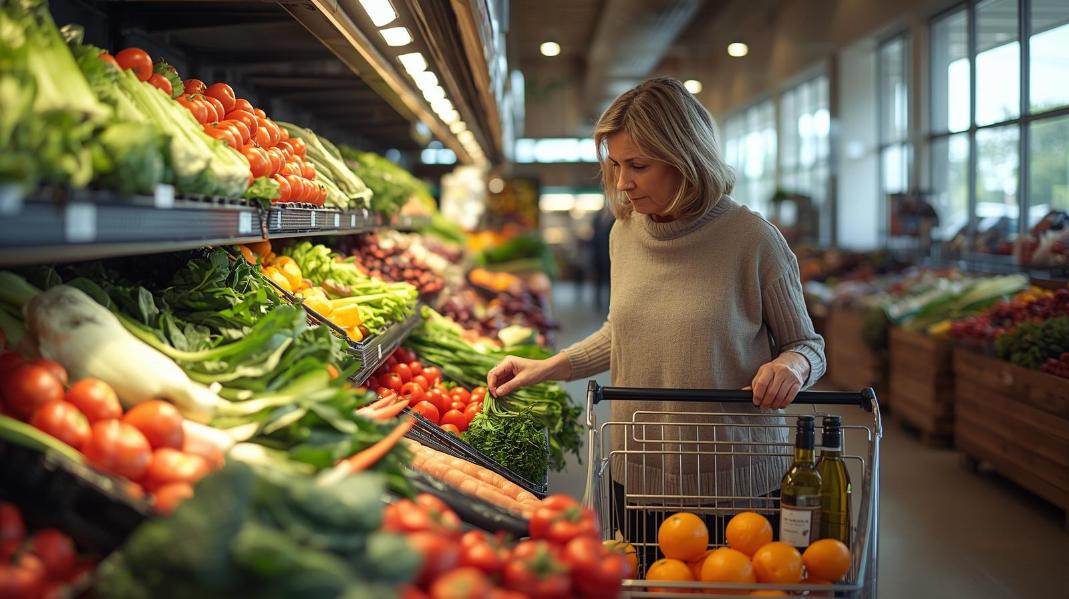
Shoppers are lingering longer in the produce section, olive oil shelves empty faster than expected, and fresh berries sometimes disappear before the afternoon rush begins.
Part of that shift seems connected to the conversations happening around VeinCenter. Discussions about circulation health and wellness are encouraging people to rethink the role food plays in everyday life.
Instead of searching for quick fixes, more families are paying attention to long-term habits that support overall health.
Grocery Stores Reflect a Changing Mindset
Health and nutrition are becoming part of regular conversations, and grocery shopping no longer feels like just another weekly chore. More shoppers are checking sodium levels, comparing ingredients, and thinking carefully about what they bring home for their families.
One noticeable change is the growing demand for foods often linked to healthier lifestyles, including salmon, walnuts, leafy greens, berries, and fresh fruits. Store employees have even commented on how quickly healthier products are selling compared to previous years.
It may seem like a quiet shift from the outside, but within local communities, many people see it as a positive one.
Wellness Conversations Beyond the Clinic
Nutrition discussions are no longer limited to medical offices. They are showing up in kitchens, workplaces, farmers’ markets, and casual conversations between neighbors.
At a weekend market, one retired teacher shared how she started making homemade vegetable soups after learning more about circulation wellness. She mentioned that her legs felt “less heavy” after several months of walking regularly and changing her eating habits.
Stories like that stay with people because they feel genuine. They are not social media trends or flashy advertisements. They are simple experiences shared between real people.
There also seems to be a renewed appreciation for preparation and balance. Convenience meals are slowly giving way to home-cooked dishes that feel healthier and more intentional.
One father carefully packed sliced cucumbers into his child’s lunch container while discussing meal prep with another parent nearby. A young couple nearby talked about trying a Mediterranean-style dinner after work because they wanted lighter meals during the week.
For many families beginning healthier routines, conversations about simple meal planning naturally lead to ideas similar to the foods you need when starting a healthy eating plan, especially foods rich in fiber, healthy fats, and fresh ingredients.
A Wellness Movement Starting in Grocery Aisles
Store management is adapting as well. Some grocery chains now feature larger displays focused on fresh produce, lean proteins, and heart-conscious meal ideas. Others have added recipe cards near vegetables and seafood sections to encourage healthier cooking at home.
One shopper recently grabbed a bag of oranges while discussing hydration and circulation with her friend. Twenty years ago, that type of conversation probably would have sounded unusual in a grocery aisle. Now it feels surprisingly normal.
Most health trends spread through influencers or viral fitness challenges. This one feels quieter and more grounded. It grows through ordinary decisions people make after work while pushing shopping carts down grocery aisles.
What makes the movement feel sustainable is its realistic approach. People are not chasing perfection. They are simply trying to make slightly better choices each week, and communities seem stronger because of it.