Between the first prenatal vitamins and the last midnight cravings, many pregnant women start to wonder if they’re doing pregnancy correctly. Enter the pregnancy memory book.
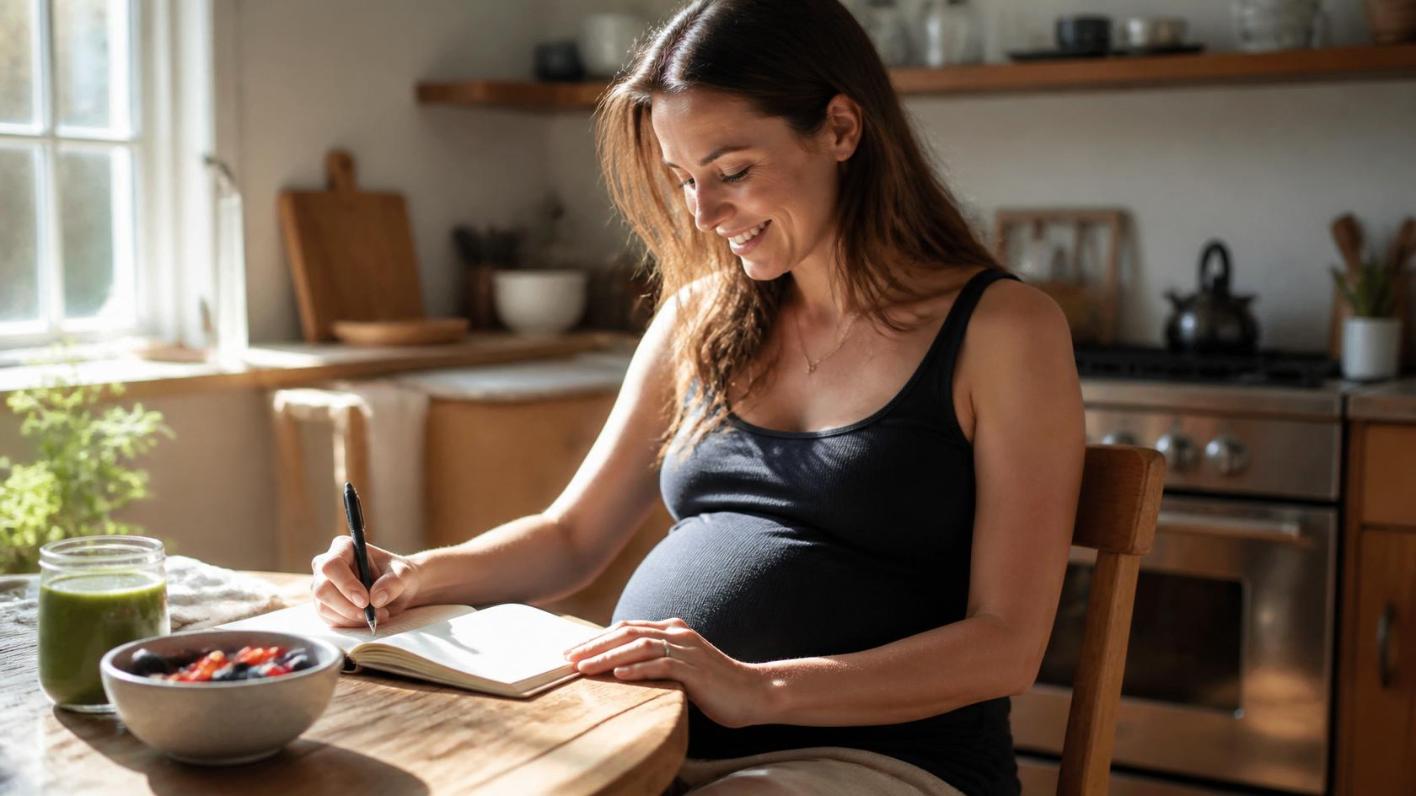
This is a book that has begun to shift from a traditional keepsake filled with adorable decorations and stickers to a practical tool that helps mothers keep track of the small, positive choices they make throughout their pregnancy.
For mothers, this book helps them record their diet, their feelings, and their proudest moments. Over time, it ends up helping them see their pregnancy in a whole new light.
I recently spoke to a small group of mothers, and they all agreed that their journals gave them the ability to look back on the memories they had recorded. One mother told me that putting her experiences down on paper helped her push through a lot of bad cravings and heavy fatigue.
That is the quiet magic of journaling. It takes all the thoughts and feelings that pregnancy stirs up and turns them into something you can actually hold onto.
Food, Feelings, and the Pages In Between
A lot of the memory books I have come across have been focused on the timeline of a pregnancy, like the first ultrasound or the first time the baby kicks. Not many of these books leave space for recording things like the healthy smoothies consumed between appointments. And yet, nutrition is one of the biggest areas throughout a pregnancy that is actually within a mother’s control.
Why Writing It Down Makes It Real
Tracking habits and behaviors is particularly useful for accountability. Simply writing down what you eat can reveal patterns in your eating behavior that you might otherwise miss. You can track when certain meals are skipped and notice the low-energy weeks that tend to follow.
Tracking what you eat can also help you reach your hydration goals more consistently. Journaling aids in the formation of habits, and during pregnancy, that matters more than most people realize.
Having an extra glass of water or an extra helping of folate-rich greens is beneficial, and it is far better to be consistent than to aim for perfection. There is no such thing as perfect eating for the entire forty weeks.
What matters more is identifying a pattern of healthy choices rather than having one or two perfect days in isolation.
Journaling also gives voice to the emotional highs and lows of healthy eating during pregnancy. Some days, eating well feels genuinely uplifting. Other days, it is a nauseating struggle just to get something down.
Writing about both the proud days and the days where healthy eating meant snacking on plain crackers captures the reality of a healthy pregnancy. And that reality is not always what the wellness posts make it look like.
Turning Nutrition Into a Narrative
Consider how baby books typically work. They track height, weight, and important milestones. Your journal can do something similar, but for nutrition. Maybe in week 8, you were surviving on saltines. By week 20, you were eating more protein.
And by week 34, you were paying closer attention to fiber because of the digestive changes that late pregnancy brings. Looking back on all of that is not just a sentimental exercise. It is a testament to the quiet sacrifice you made for your baby, week after week.
Many moms have even transformed their journals into informal recipe collections, adding meals that became unexpected staples during pregnancy. A friend of mine has a handwritten “safe foods” list taped to her fridge.
She has joked more than once with her family that the list deserves a frame, because for three solid weeks, ginger tea and toast were the only things that kept her going.
Making It Feel Manageable, Not Daunting
Pregnancy is already an overwhelming season of life, so journaling should be the least stressful part of it. A few lines every other day is more than enough. A journal should be a collection of effort and progress, not a perfect account of every meal. Future you should be able to flip through it and feel proud, not judged.
Some women find success in pairing their journaling with small, attainable weekly goals. Adding an extra glass of water or one more vegetable-based meal to the week, then writing it down, creates a gentle sense of expectation without the pressure of a strict plan.
If you are just starting out, it can even help to look up ideas for foods you need to include when starting a healthy eating plan and jot a few of them into your journal as loose, low-pressure goals. Small nudges in the right direction tend to stick far better than sweeping overhauls.
The Bigger Picture
Pregnancy is about doing your best every day, and journaling is one of the better outlets for that. A journal will not capture every bite or every symptom, and it does not need to. What it will capture is your intention to nourish your body and your honest effort on the days when that was genuinely hard.
In nine months, the person looking back at those pages will see far more than a nutrition log. They will see a mother who showed up and tried, even on the hard days. And that turns out to be a much better story than any record of perfect meals ever could be.